Pearls have long been cherished as treasures of nature, once used as currency and a symbol of wealth throughout history. Today, pearls are primarily sold as luxury jewelry, with nearly all pearls on the market being cultured—grown with human assistance in either freshwater or saltwater environments. Cultured pearls are formed in pearl farms, where an irritant is placed inside a mollusk to stimulate nacre production—the iridescent coating that forms a pearl. The type of water in which a pearl is grown is a key factor in its appearance and value.
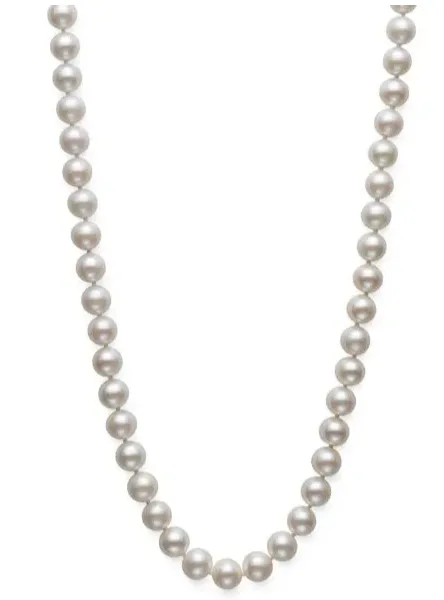
Traditionally, the most prized pearls are those that are round, large, clean, and highly lustrous. While there are many varieties, pearls fall into four main categories: freshwater, saltwater, natural, and cultured.
Types of Pearls
Freshwater Pearls
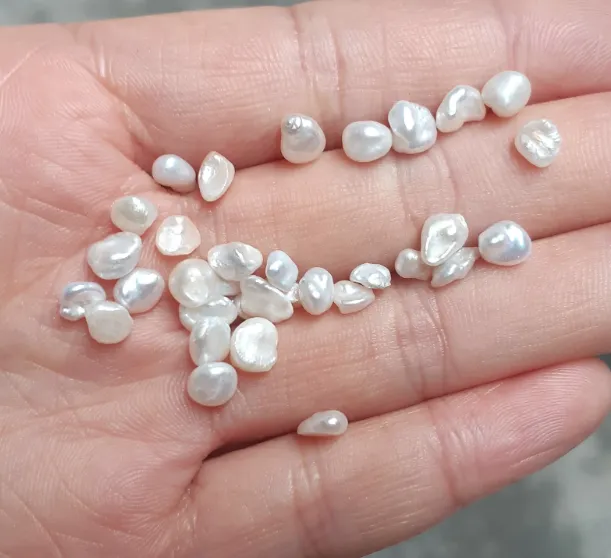
Freshwater pearls are produced by mussels in lakes and rivers. They come in a wide range of shapes, sizes, and colors—from classic round pearls to unique baroque forms. Because of their abundance, they are typically more affordable and are a popular choice for people looking to stay within a specific budget.
Saltwater Pearls
Saltwater pearls are formed in oysters that live in the ocean. They are known for their mirror-like luster, larger size, and near-perfect round shape. Because they are rarer and more difficult to cultivate, saltwater pearls are typically more expensive and are ideal for formal occasions or investment pieces.
Cultured Pearls
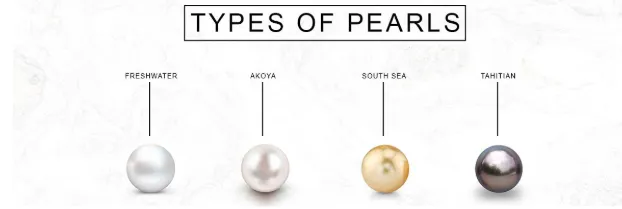
Cultured pearls are the most common type on the market today. They are produced in both saltwater and freshwater mollusks when a small irritant is intentionally placed inside to stimulate nacre production. The result is a beautiful pearl, crafted by nature but made possible by human care. There are four main types of cultured pearls:
Varieties of Cultured Pearls
South Sea Pearls
South Sea pearls are the most valuable cultured pearls, especially the golden variety. They are the largest cultured pearls, often the size of a marble, and are known for their thick nacre and luxurious shine.
Silver-lip oysters produce mostly silver-white pearls.
Gold-lip oysters produce a range of creamy to golden pearls.
These pearls make bold statement pieces and are often considered the epitome of pearl luxury.
Akoya Pearls
Akoya pearls are revered for their perfect round shape, white color, and dazzling luster. Cultivated in saltwater, usually one or two per oyster, Akoya pearls are known for their exceptional quality, making them the most demanded cultured pearl in the market. While white is the most common, rare variations in color—such as silver-blue and gold—and in shape—like baroque forms—can also be found.
Tahitian Pearls
Often referred to as black pearls, Tahitian pearls are cultivated in the black-lipped oyster and are admired for their exotic, dark iridescence. Although commonly dark green or charcoal, they can display a wide range of overtones, including peacock, silver, and chocolate hues. These pearls are bold, unique, and elegant.
Freshwater Pearls (Cultured)
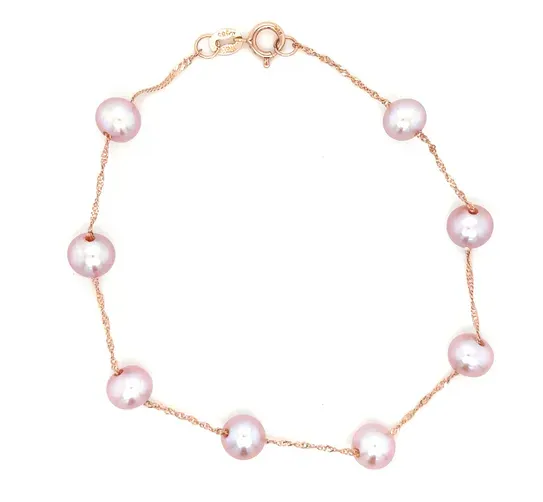
Cultured freshwater pearls are farmed in mussels and can produce multiple pearls at once—making them more accessible and affordable. They are composed entirely of nacre and often have irregular shapes and softer luster, but offer great value and beauty. Perfect for gifting or layering with other pieces.
Customer Preferences When selecting pearls, most customers consider five main factors: price, shape, color, size, and luster.
Price At Lennon’s, pearl jewelry ranges from $45 to $2,500+, depending on the type, size, and quantity of pearls.
Shape Pearls can be perfectly round or uniquely shaped (baroque). Some prefer classic symmetry, while others gravitate toward the one-of-a-kind charm of organic shapes.
Color White pearls are the most popular, but Lennon’s also offers custom ordering for unique hues like black, green, or gold.
Size
The ideal pearl size varies by type:
Akoya: 7–7.5 mm
Freshwater: 7.5–8 mm
Tahitian: 8–11 mm
South Sea: 10–14 mm (bold statement pieces)
Luster Some customers love the bright, reflective shine of high-luster pearls while others prefer a more subtle shimmer that blends effortlessly with their style.
Maintenance To keep your pearls looking their best, proper care is essential. Pearls are delicate and organic, meaning they’re more vulnerable to the elements than other gemstones. Always put your pearls on last (after makeup, lotion, and hairspray), and wipe them gently with a soft cloth after each wear to remove any oils or residue. Over time, the silk thread used to string pearls can become weakened by dirt, oils, and wear. At Lennon’s, our pearl and bead restringing service helps prevent breakage and preserves the longevity of your jewelry. Each pearl is knotted individually on silk thread to protect them from rubbing against each other. We recommend restringing your pearls every two years if you wear them often, or every five years for occasional wear, to ensure durability and security. Stop into Lennon’s and give your pearls the love they deserve—whether you're shopping for the perfect piece or making sure your favorite strand stays strong for years to come.